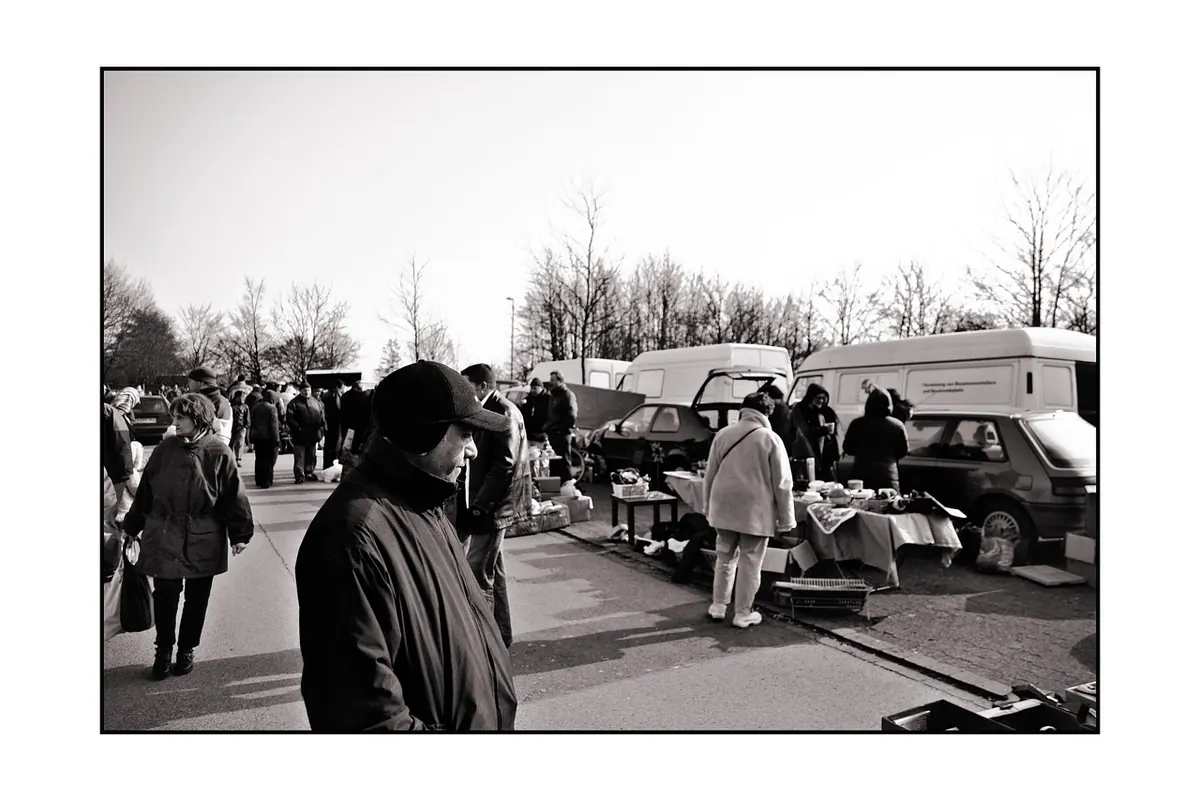
A 1950s teapot and a modern teapot in the same shape can look almost identical on a shelf, but the word on the ticket changes everything: what a buyer expects, what they are willing to pay, and whether they trust you next time. Antique, vintage and retro are not interchangeable compliments about age. Each makes a different promise about when a piece was made, how it was made, and what condition is acceptable. Get the label right and the right buyer finds you.
The three words at a glance
Strip away the sales patter and each term answers a different question. Antique answers “how old?”. Vintage answers “how old, and from which era?”. Retro answers “what does it look like?” — and that last one is the slippery one, because a piece can be retro and brand new.
- Antique — generally 100 years or older, made in its own period, judged on originality, condition and provenance.
- Vintage — roughly 20 to 99 years old, made in its own period, with a named era doing much of the selling.
- Retro — a style that references the past; the piece may be recent, or its age may simply be unknown.
Antique: the hundred-year line
The hundred-year mark is a working convention rather than a fixed legal definition in ordinary retail, and it is useful precisely because it moves. Something made in 1926 becomes an antique in 2026, which is why Art Deco pieces from the 1920s now sit comfortably on the antique side of the line, while a 1935 cocktail cabinet still has a decade of vintage ahead of it.
What the word really signals is manufacture as much as age. An antique was made in its own time, from the materials of its own time, by the methods of its own time: hand-cut dovetails, blown glass, hand-painted decoration, solid timber rather than veneer over particleboard. Buyers in this market tend to be patient, often well read, and almost always interested in condition. Expect questions about repairs, replaced handles, later Feet, and “marriage” — mismatched parts from different pieces joined together.
Two common traps
First, reproductions and later copies: a Victorian-style chair made in the 1980s is not an antique, whatever it looks like from across the room. Second, the moving line means the antique market is never static. Pieces keep arriving, and yesterday’s good vintage furniture becomes tomorrow’s antique stock.
Vintage: broad, and getting broader
Vintage has no fixed starting date. Twenty years is the usual floor for clothing and jewellery; forty is more common for furniture and ceramics. What the word promises is that the item was made in the period its style suggests — not a reissue, not a homage, not a copy. That distinction carries most of the value. An original 1960s Danish rosewood chair and a modern reissue may photograph similarly, but they are not the same object, and buyers know it.
Era labels do a great deal of the work here because they narrow a search. Mid-century covers roughly the late 1940s to the late 1960s. Art Deco sits in the 1920s and 1930s. Then there is 1970s studio pottery, 1980s Memphis-influenced design, 1990s minimalism. If you can pin down an era rather than settling for “vintage”, do it — it is more useful to the buyer and it reads as confidence rather than guesswork.
Retro: a look, not a date
Retro describes a look that borrows from an earlier style, whatever the date of manufacture. A kettle in 1950s colours made last year is retro. It is the honest label when you like the aesthetics but cannot establish age, or when the piece is a deliberate revival: 1990s diner chairs styled after the 1950s, a 2010s print of a 1970s poster. Retro is elastic enough to cover a genuine 1970s lamp and a recent reproduction in the same breath, which is exactly why it carries less weight on its own. It sells a mood. The other two words sell a date.
Why the label changes what people pay
Each term gathers a different crowd, and the crowd sets the price.
- Antique buyers are fewer and more careful. They want detail, they expect disclosure, and they pay for rarity, originality and documented history. Patina that a general buyer would call damage is often the point.
- Vintage buyers form the widest and most active market. They are design-led, they want pieces they can actually use, and they respond to clear era labels. This is where most everyday trading happens.
- Retro buyers are shopping for an interior or an outfit. The market is broad but trend-sensitive, and the same piece may look fashionable or dated depending on the season.
Mislabel and it costs you. A buyer who thought they were getting an antique and received a 1970s copy will ask for a refund, leave a poor review, and tell other collectors. It also affects discovery. If your original 1950s chair is listed as “retro”, you are competing with modern reproduction stock; labelled “vintage mid-century teak”, it lands in front of someone who already knows what they want. For traders, descriptions must not mislead buyers — that is a legal requirement, not a matter of taste. If a sale turns on age or attribution and the sums are significant, take proper advice before you commit.
How to date a piece before you name it
- Find the newest feature. The most modern element sets the earliest possible date. Slot-head screws suggest an earlier piece; Phillips-style screws point to the 20th century; printed care labels and synthetic foams push things later still.
- Hunt for marks. Check undersides, backs, inside drawers and behind frames with a torch and a magnifier. Maker’s stamps, impressed numbers, printed labels and old retailer’s tickets are worth more than any stylistic guess.
- Compare materials and methods. Solid versus veneered, hand versus machine, cut versus moulded. Look at how joints are made, not just how the front looks.
- Decide: period or revival? If you cannot prove period manufacture, say so.
- Write the description fact-first. Lead with what you can demonstrate and let the label follow the evidence.
- Hedge honestly where needed. “Circa”, “in the style of”, “mid-century style”, “later reproduction”, “age unknown” and “sold as seen” all protect both you and the buyer.
Teak sideboard, mid-century style, probably 1960s–70s, unmarked. Veneer lifting to left door, one handle replaced. Solid and usable; sold as seen.
That description will not win a bidding war on its own, but it will attract the person who wants exactly that piece — and it will not bring anyone back angry.
The label is a promise
Choose the narrowest word you can defend, put the strongest accurate term in your title, and keep the caveats in the description where they belong. A 1968 lamp described as “vintage, 1960s, rewired” will outsell a “rare antique lamp” that turns out to be neither. Buyers forgive uncertainty; they do not forgive exaggeration.
If you are selling, be specific about condition and unafraid to say what you do not know. If you are buying, read the age claim as a claim and check the details against it: screws, labels, joints, materials. And if real money is involved — insurance, probate, a significant sale — a professional valuer’s opinion will always be worth more than a label, however well chosen.
Photo: DAVECTOR / Pixabay