The box comes down from the loft in the first week of December: tissue paper gone soft with age, a faint smell of dust and old card, and the thin clatter of glass against glass. Vintage Christmas decorations reward that annual ritual with more than nostalgia. They carry the fingerprints of their makers — the crimped cap, the hand-painted band, the die-cut reindeer that has somehow survived eighty years of being packed badly.
Buying them is a different business from inheriting them. Charity shops, car boot sales, house clearances, fair stalls and online lots all turn up pieces worth having, sitting alongside pieces that will shed their finish the moment you hang them. Work through the checks below before you part with money, and you will come home with things that last another season.
Know What You Are Looking At
The mid-century decades produced decorations in a surprising range of materials, and each one ages differently. Identifying the material first tells you what to inspect and what to forgive.
- Silvered glass. Blown glass with a metallic lining — silver nitrate in the earliest examples, later aluminium — and often a hand-painted or stencilled exterior. Light, brittle and prone to internal flaking.
- Cardboard and paper. Die-cut shapes, embossed foil reliefs sometimes called scraps, honeycomb tissue bells and balls, and printed paper figures. Vulnerable to damp, fading and crushing.
- Early plastics. Celluloid, early acetate and later hard plastics, used for novelty figures, beads and small tree ornaments. Can warp, craze or become sticky with age.
- Soft trims. Tinsel, spun glass, cotton wool and chenille. These shed, tangle and discolour, and they are usually the first part of a decoration to fail.
Dating Clues That Cost Nothing to Check
You do not need a reference library to place an ornament roughly in time. A few details on the cap, hanger and surface will get you within a decade or so.
Caps and hangers
Look at the metal cap at the top of a glass bauble. Early caps tend to be thin tin, crimped or folded over the neck rather than screwed on. Brass-coloured caps with a neat crimp are typical of the mid-century years, while plastic caps and nylon hanging loops usually point later. A modern brass wire loop where the original hanger rusted away is not a deal-breaker, but it is a repair, and it should be reflected in what you pay.
Marks and wording
Printed country-of-origin marks give a broad bracket rather than a precise date. “Made in Germany” covers a long stretch before the Second World War; “West Germany” suggests the period from the late 1940s to reunification; “Occupied Japan” points to the years immediately after the war; “Czechoslovakia” and “Made in England” appear on plenty of interwar and post-war glass. Remember that many pieces were never marked at all, and that a mark can be printed on a paper label that has long since washed off.
Shape and finish
Indented glass baubles — the deep dimples pressed into the sphere — belong firmly to the mid-century look, as do bells, onions, lanterns, pinecones and birds with clipped tails. Cardboard ornaments often carry a faint embossed pattern and a silvered or coloured foil surface. Heavy, larger glass spheres known as kugels were sometimes hung, sometimes set on a shelf; they need a strong branch and a proper hook if you plan to display them.
Condition: A Working Check
- Turn it over in daylight. Interior flaking shows as dull grey or dark patches behind the glass, or a cloudy bloom that no amount of polishing will shift. Some collectors accept it; pay accordingly.
- Check the neck and cap. Hairline cracks around the neck, a wobbly cap or a cap that has been glued back on are all weak points. A bauble that cracks there will fail while hanging.
- Look for chips and star cracks. Run a thumbnail gently around the rim and mouth. Chips on the base matter less than chips where the glass thins.
- Inspect the paint. Flaking, blistering or a repainted band usually means heat, damp or an enthusiastic previous owner with a brush.
- Assess fading. Reds and pinks are the first colours to go, on glass and card alike. Compare a suspect piece with a known one under the same light rather than trusting memory.
- For cardboard, check the edges. Water staining, rust bleed from old staples, foxing, creases and missing die-cut tabs are all common. Look at both faces: the reverse often shows damage the front hides.
- Smell it. A musty, damp-card smell warns of storage in a cellar or loft, and mould damage tends to spread to anything stored beside it.
- Look for replacements. New tinsel, modern glitter, fresh string or a mismatched hanger suggests a piece that has been rebuilt rather than kept.
Ask sellers for photographs taken in natural daylight, showing both sides and the cap. It is a reasonable request, and a refusal tells you something useful.
Fading, Flaking and What Can Be Fixed
Less is more with old decorations. Loose dust can be lifted with a soft brush, and glass responds well to a barely damp cloth followed by a dry one — never soak a silvered interior, because water that gets inside will lift the lining. Do not use abrasive polishes or solvents on painted glass, and never put vintage pieces in a dishwasher.
Cardboard is trickier. Creases can sometimes be relaxed with careful, gradual humidification, but this is a job for someone who has done it before, and home experiments tend to end in a pulpy edge. If a piece is rare or valuable to you, consult a conservator rather than reaching for the glue. Tinsel that has shed its coating cannot be restored, and spun glass decorations become brittle with handling, so hang them once and leave them alone.
Safety Before You Display
Display is where enthusiasm causes accidents. A few sensible precautions will protect both you and the collection.
- Keep old paint and finishes away from mouths. Older paints, glazes and decorative finishes may contain metals that you would rather not ingest. Wash your hands after handling a box of dusty ornaments, and keep small, flaking pieces out of reach of children and pets.
- Handle spun glass and tinsel with care. Fine glass fibres irritate skin and eyes. Gloves and good light make sorting a box far more comfortable.
- Use LED bulbs. Vintage incandescent bulbs run hot and will scorch cardboard, melt tinsel and dry out cotton wool. If you are lighting a tree hung with old pieces, keep the lights cool and the bulbs away from the ornaments.
- Be cautious with vintage electrical sets. Frayed flex, brittle insulation and old fittings are common. If you intend to use them, have them checked by a qualified electrician first; if in doubt, treat them as display-only.
- Hang heavy pieces low and firmly. Kugels and large glass spheres belong on sturdy branches, wired on rather than balanced on a hook. Keep anything fragile out of walkways and away from where a door might catch it.
A Short Checklist for the Season
Before you buy, ask yourself four things: what is it made of, roughly when was it made, what is wrong with it, and can I display it safely? A box of mixed baubles bought for the pleasure of sorting is one thing; a single piece bought as a keeper deserves a slower look at the cap, the neck and the finish.
Once home, wrap glass in acid-free tissue rather than newspaper, keep cardboard flat and dry, and store everything somewhere with steady temperature and low humidity. Photograph each piece as it comes out of the box — a record of condition is worth more than you think when you next consider selling or insuring.
Buy a little less, check a little more, and the box coming down from the loft will keep clattering for another few decades.
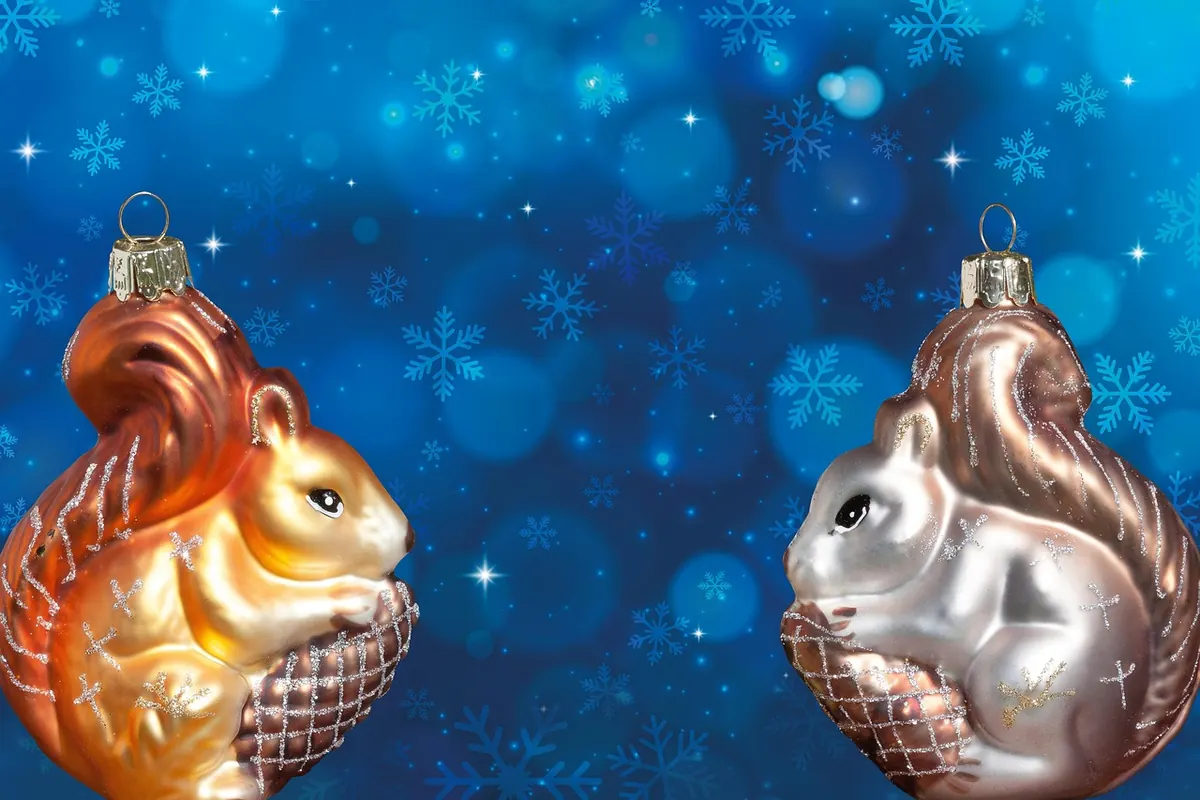
Photo: stux / Pixabay